
Tag: Booker Prize
-
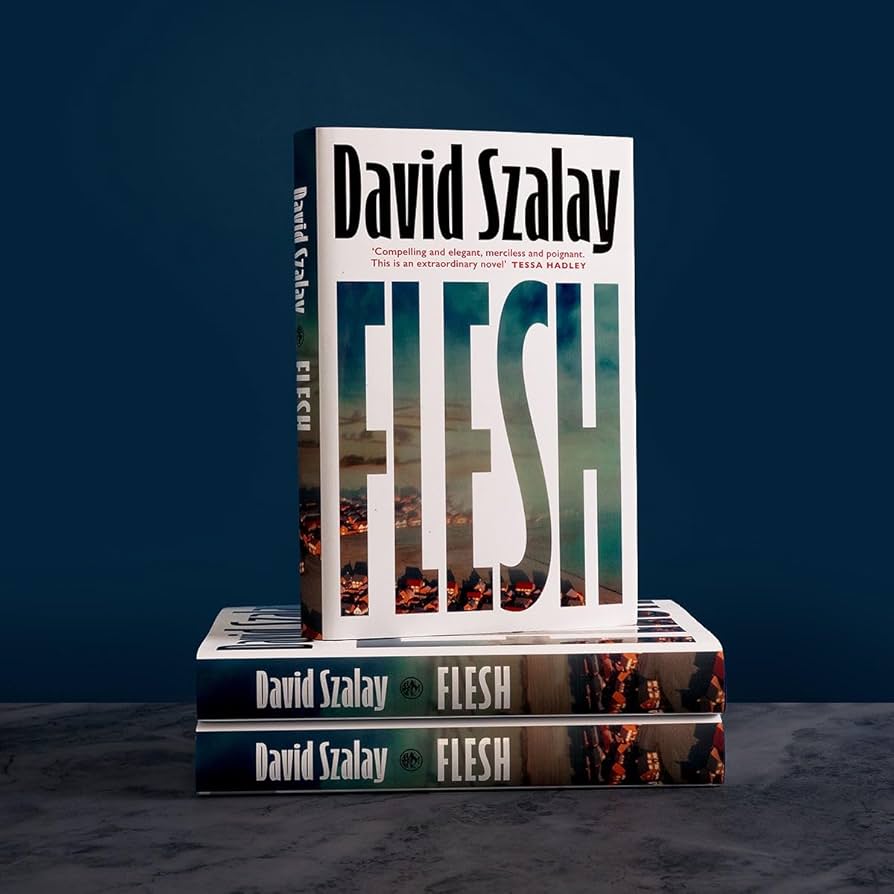
Quotidian narrative in David Szalay’s ‘Flesh’
David Szalay’s ‘Flesh’ won the 2025 Booker Prize. It was praised by the judges for its spare style. In this blog post, I argue that there is a contest taking place in the story between the narrative style, resistant to emotion, and the protagonist’s steady attempt to become fully emotional, fully alive. Ultimately, the narrative…
-

Learning to read Samantha Harvey’s ‘Orbital’
Samantha Harvey‘s delicate 136-page novel Orbital won 2024’s Booker Prize. It marks a notable shift of the difficulty of the last few Booker winners—Lynch’s Prophet Song (2023), Karunatilaka’s Seven Moons of Maali Almeida (2022), Galgut’s The Promise (2021), and Stuart’s Shuggie Bain (2020)—to an easier style, even if not a typical plot of a novel.…
-
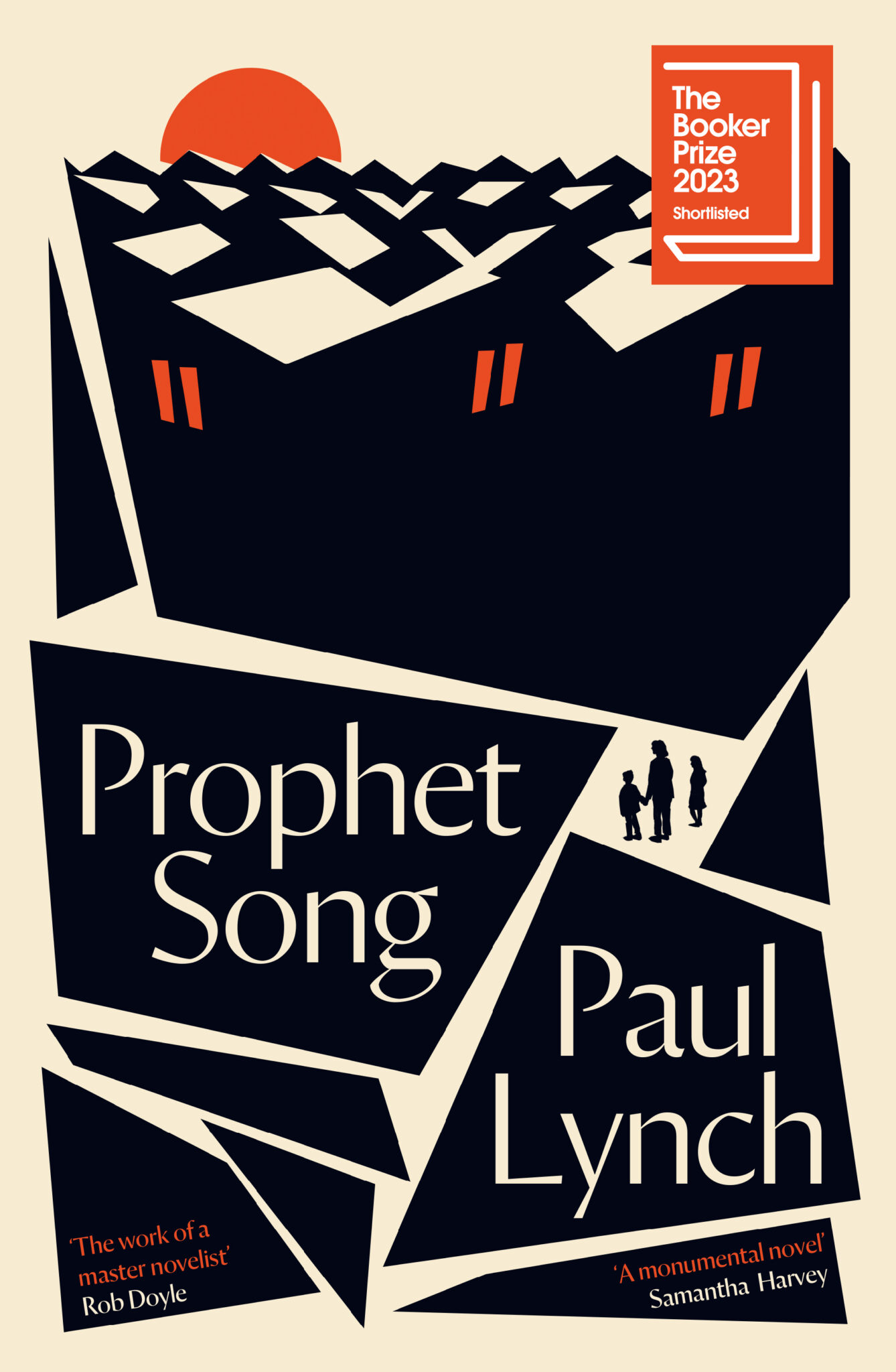
Vis-à-vis dystopia in Paul Lynch’s ‘Prophet Song’
Paul Lynch’s “Prophet Song,” a dystopian novel set in Ireland, captures our era’s social and political unease, earning the 2023 Booker Prize. It explores totalitarianism’s personal impact through characters’ declining capacity to read faces, invoking philosopher Emmanuel Levinas’s ethics of the face-to-face encounter. The narrative warns against the corruptive power of authoritarian regimes.
-
Bastardising epic: Shehan Karunatilaka’s ‘The Seven Moons of Maali Almeida’
Shehan Karunatilaka’s The Seven Moons of Maali Almeida (Sort of Books, 2022) won last year’s Booker Prize for its ‘energy, imagery and ideas [set] against a broad, surreal vision of the Sri Lankan civil wars’. We find that ‘surreal vision’ in its depiction of the afterlife—both the In Between (a version of purgatory), and the…
-
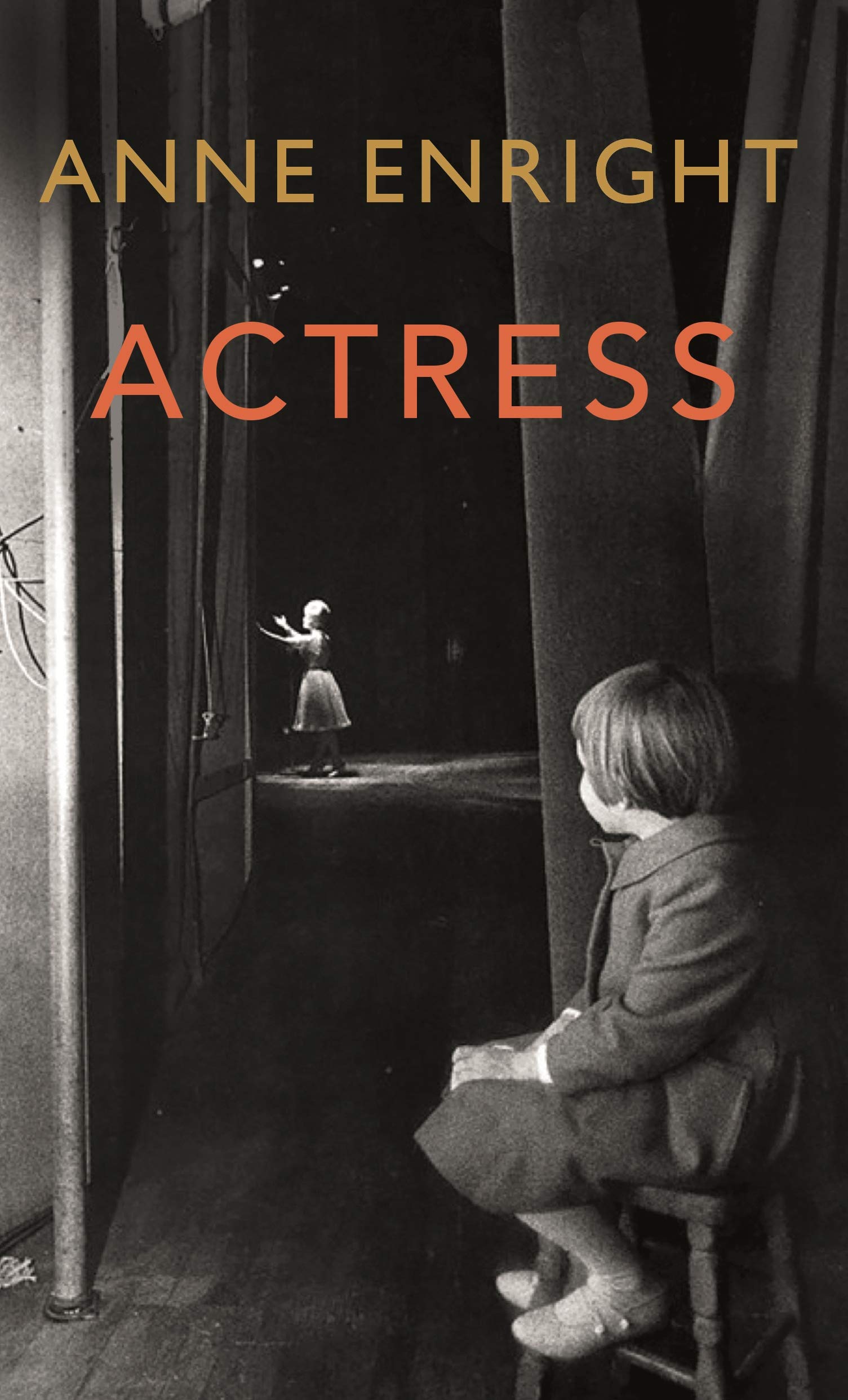
Anne Enright’s ‘Actress’ (part 1): finding a mother
In this and my next blog (also on Actress), I’m going to focus on intertextuality. Intertextuality was described by Julia Kristeva as a mosaic of interaction between texts.[1] For Kristeva, this quite commonly takes the form of deliberate and explicit intertextual references—quotations, narrative nods, character types and names—but I am most interested in intertextuality that…
-

Writing (a) genealogy: ‘Surge’ by Jay Bernard
In ‘Kombucha’, a prose poem about, among other things, menstrual mooncups, Jay Bernard’s persona asks: When I stare at these bottles, it’s blood that has been three times enlarged. Who says we have no genealogy? Who says that if I line them up, as ornaments, a blood archive, then it isn’t like us having had…