
Hyper-contemporary literature: brand-new writing
-

Slow reading: Adrian Duncan’s ‘Love Notes from a German Building Site’
Adrian Duncan‘s Love Notes from a German Building Site (Head of Zeus, 2019) tells Paul’s first-person story as he emigrates from Ireland to Germany to start afresh with his girlfriend, Evelyn. Paul is an engineer by trade, but his relationship with his job is tested and stretched by time spent on a job in Berlin—it…
-

Two spatial poetics: Niamh Campbell’s ‘This Happy’
Niamh Campell’s This Happy (Weidenfeld & Nicolson, 2020) plots Alannah’s uncanny experience of her love life repeating itself from when she was a ‘young’ 23 to an ‘old(er)’ 30 years old. The two experiences—first with a married man, Harry, second with her unnamed husband—are not identical, but there are enough similarities for the storylines to…
-
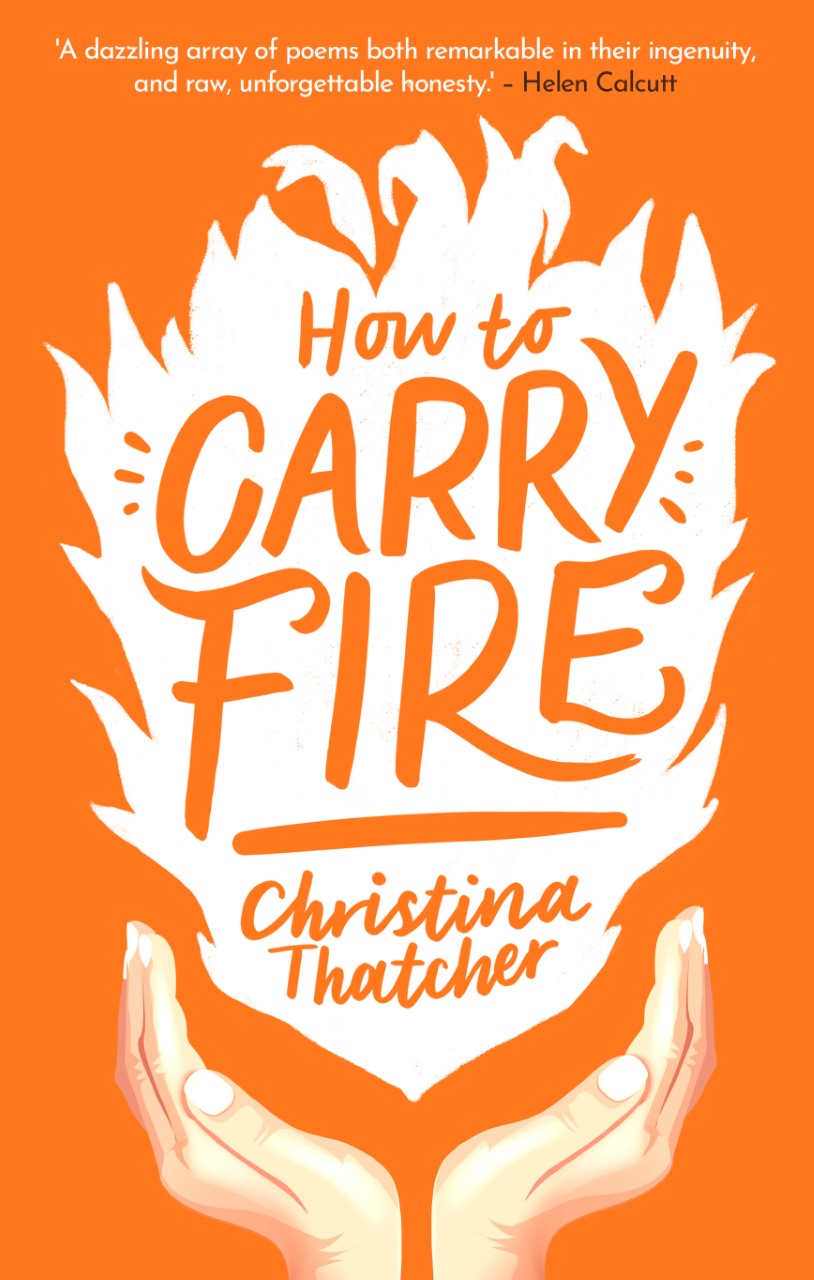
Two families, alike in dignity: Christina Thatcher’s ‘How to Carry Fire’
Christina Thatcher’s How to Carry Fire (Parthian, 2020) is her second collection of poetry. It’s a fierce, impassioned, and (at times) scary collection that details the persona’s two families: her US family (mother, father, brother) beset by a range of tragedies, and her newly-forming Welsh family consisting of the persona and her husband. The literary…
-
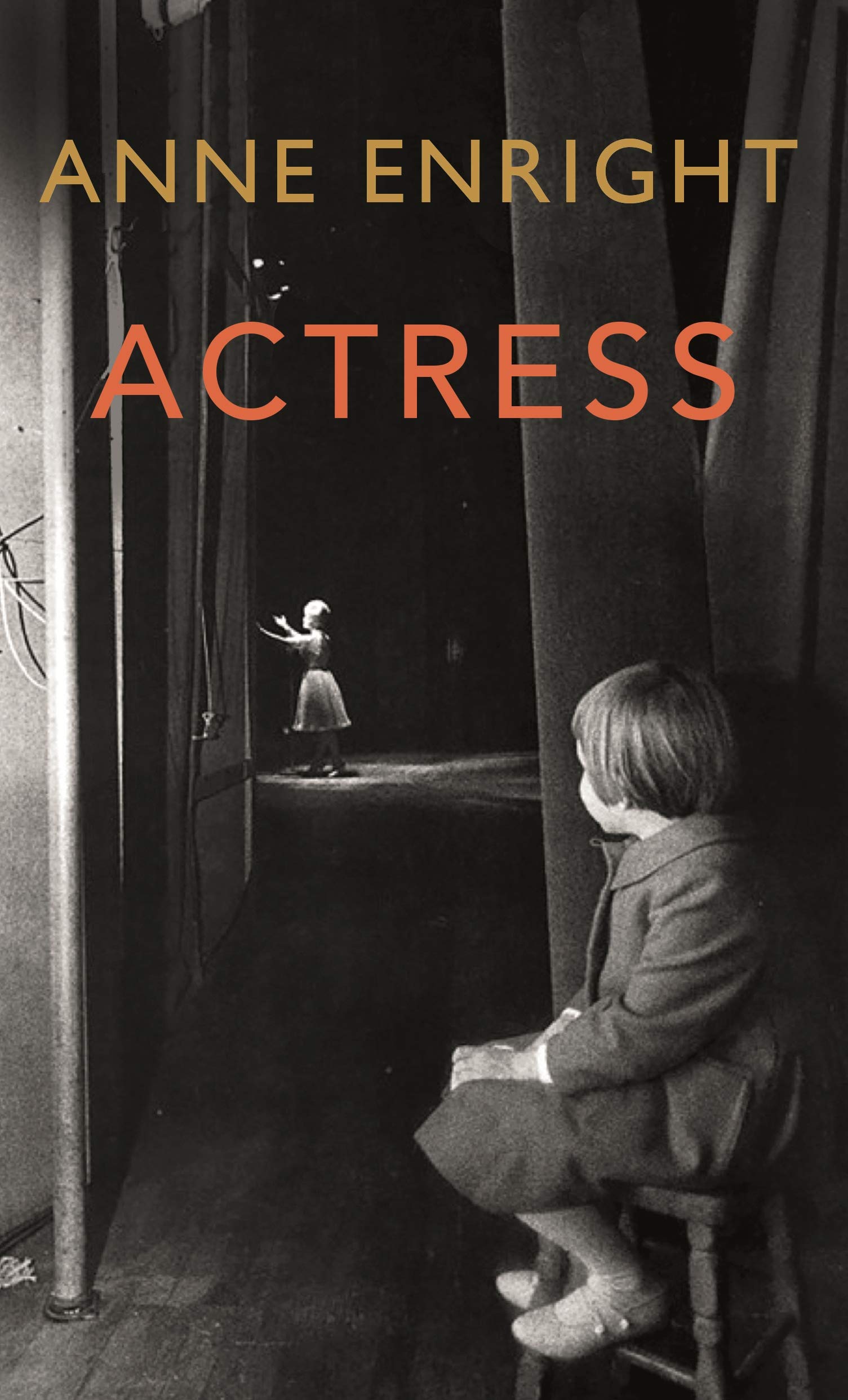
Anne Enright’s ‘Actress’ (part 2): the age of consent
In my first blog on Anne Enright’s Actress (Jonathan Cape, 2020), I connected it with the late Irish poet Eavan Boland (1944–2020) through the search for a female genealogy. Or, in simpler terms, both Norah in Actress and Boland in her prose and poetry are looking for their mothers. In this blog, I again read…
-
Anne Enright’s ‘Actress’ (part 1): finding a mother
In this and my next blog (also on Actress), I’m going to focus on intertextuality. Intertextuality was described by Julia Kristeva as a mosaic of interaction between texts.[1] For Kristeva, this quite commonly takes the form of deliberate and explicit intertextual references—quotations, narrative nods, character types and names—but I am most interested in intertextuality that…
-

Suzanne Collins’s ‘The Ballad of Songbirds and Snakes’: Hobbes for the twenty-first century
Suzanne Collins’s latest addition to the Panem world of the Hunger Games, The Ballad of Songbirds and Snakes (Scholastic, 2020), is a prequel taking place decades before the original trilogy. It follows school-leaver Coriolanus who joins the first cohort of Hunger Games mentors during the annual bloodletting’s tenth edition. As an informed reader will know—or,…
Got any book recommendations?